 (720) 391-2279
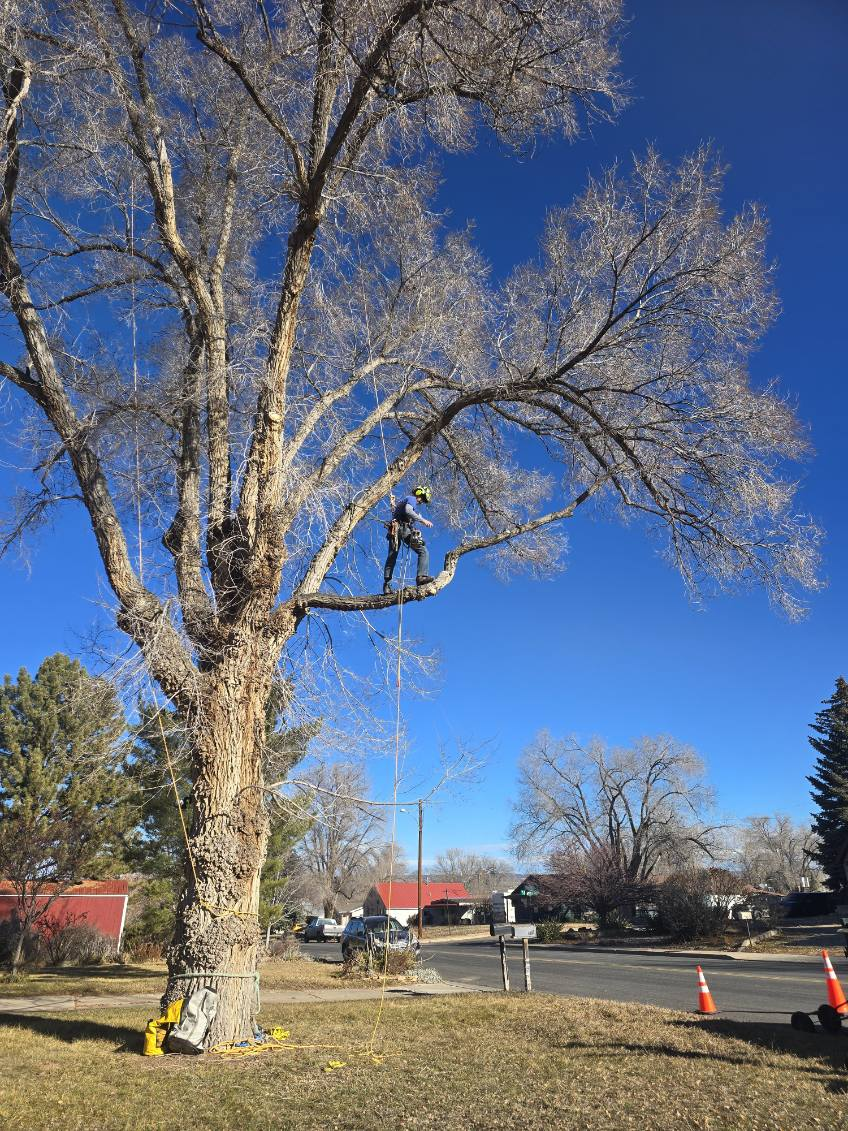
Essential Fire Mitigation Strategies to Protect Your Property
Insurance Compliance Starts with Wildfire Defense
Understanding Insurance Requirements and Regulatory Standards
Homeowners throughout southwestern Colorado are discovering a stark new reality: maintaining adequate wildfire protection is no longer optional. Insurance carriers have adopted aggressive inspection protocols, deploying aerial drone technology to identify properties that fall short of current standards. These scans evaluate vegetation density, structural clearances, and overall fuel loads that could accelerate fire spread. When properties fail these assessments, carriers issue compliance notices with strict deadlines. Failure to meet those requirements often results in policy cancellation or steep premium increases that can exceed several thousand dollars annually.
In communities like Cortez, where pinyon-juniper woodlands meet residential zones, the wildfire risk remains elevated throughout most of the year. Drought cycles have intensified over the past decade, leaving dead vegetation and stressed trees that become ideal kindling during high wind events. Insurance underwriters recognize these regional patterns and have adjusted their risk models accordingly. Properties that once qualified for standard coverage now require documentation of defensible space, managed vegetation, and regular maintenance schedules. Homeowners who ignore these mandates face the very real possibility of losing coverage entirely, leaving them financially exposed in one of the most fire-prone regions of the state.
The financial stakes extend beyond insurance premiums. Property values can decline when homes lack proper wildfire defenses, and obtaining financing for a property without adequate coverage becomes nearly impossible. Lenders require proof of insurance before approving mortgages, and gaps in coverage can delay or derail real estate transactions. For families who have invested years into their properties, the cost of non-compliance can be devastating. Addressing these requirements early, before receiving a compliance notice, provides homeowners with greater flexibility and control over the process. A proactive approach allows for phased work, budget planning, and the ability to select qualified contractors rather than rushing to meet a carrier-imposed deadline.
Strategic Vegetation Management for Wildfire Risk Reduction
Vegetation management forms the foundation of effective wildfire defense. Trees and shrubs that grow too close to structures or cluster too densely create continuous fuel pathways that allow flames to move rapidly across a property. Strategic removal and pruning interrupt these pathways, creating gaps that slow fire progression and reduce heat intensity. In the Cortez area, where native juniper and pinyon pine dominate the landscape, proper spacing becomes even more critical. These species carry high resin content and dense foliage that ignites readily during dry conditions. Thinning these stands to appropriate densities while maintaining the healthiest specimens provides both aesthetic value and measurable risk reduction.
Spacing standards vary depending on slope, vegetation type, and proximity to structures. On level terrain, trees should maintain a minimum of ten feet between canopies, measured from the outermost branches. On slopes, where fire moves uphill more aggressively, spacing requirements increase to fifteen or even twenty feet. Dead or diseased trees require immediate removal, as they pose the greatest ignition risk and provide no ecological benefit. Limbing trees to remove lower branches prevents ground fires from climbing into the canopy, a phenomenon known as laddering that dramatically increases fire severity. For properties with mature shade trees near the home, crown lifting to at least six feet above ground level creates a critical buffer while preserving the trees themselves.
Professional arborists understand which trees to remove and which to preserve. Species selection matters: native ponderosa pine, when properly spaced and maintained, can withstand moderate fire exposure better than dense juniper thickets. Removing invasive species like Russian olive and tamarisk eliminates fast-burning fuels while improving native plant health. Proper pruning techniques ensure trees remain structurally sound and continue to thrive after thinning work. DIY approaches often result in over-cutting or improper cuts that stress trees and create new hazards. Working with certified professionals ensures the work meets both insurance requirements and sound horticultural practices, protecting your investment in the landscape while reducing fire risk.
Building Protective Buffer Zones Around Structures
Defensible space refers to the area surrounding a home or building where vegetation and combustible materials have been modified to reduce fire intensity and slow its spread. This concept divides property into distinct management zones, each with specific requirements. The immediate zone, extending up to five feet from all structures, demands the most aggressive treatment. This area should remain clear of all flammable vegetation, including ornamental shrubs, mulch beds, and groundcovers. Hard surfaces like gravel, pavers, or concrete provide the safest option in this critical buffer. Even fire-resistant plants can ignite under extreme conditions, and embers can smolder in organic mulch for hours before reigniting.
The intermediate zone, extending from five to thirty feet, allows for carefully selected and maintained vegetation. Plants in this zone should be low-growing, well-watered, and spaced to prevent continuous fuel beds. Islands of vegetation separated by non-combustible surfaces work well in this area, providing visual interest while maintaining safety. Trees in this zone require vigilant maintenance: remove all dead branches, keep canopies separated, and eliminate any vegetation growing beneath tree canopies. Firewood stacks, propane tanks, and other combustible materials must be moved beyond thirty feet from structures, preferably to areas with minimal vegetation and good access for fire personnel.
The extended zone, reaching from thirty to one hundred feet, focuses on general fuel reduction rather than complete clearance. Thinning tree stands, removing dead vegetation, and mowing or cutting grasses to a height of four inches or less reduces the overall fuel load without creating a barren landscape. Many Cortez properties border public lands or larger acreages where maintaining a full hundred-foot buffer may not be feasible. In these situations, focus efforts on the immediate and intermediate zones first, then extend work outward as resources allow. Property owners should also coordinate with neighbors, as fire does not respect property lines. A well-maintained parcel adjacent to overgrown land still faces elevated risk, making community-wide efforts far more effective than isolated individual actions.
The Value of Expert Evaluation and Customized Mitigation Plans
Every property presents unique challenges based on topography, vegetation, structures, and access. A professional assessment identifies specific vulnerabilities and prioritizes work based on risk level and budget constraints. Certified arborists and wildfire mitigation specialists evaluate not only vegetation but also structural features like roof materials, vent screens, deck construction, and gutter systems. They identify ember entry points, note areas where vegetation contacts structures, and assess whether existing clearances meet current standards. This comprehensive evaluation forms the basis for a detailed mitigation plan that addresses both immediate hazards and long-term maintenance needs.
During an assessment, professionals measure tree spacing, evaluate species composition, and identify dead or diseased specimens that require removal. They also consider aesthetic and functional goals: preserving shade trees, maintaining privacy screens, and protecting valued landscape features whenever possible. This balanced approach ensures the property remains livable and attractive while meeting safety requirements. Assessors also verify that planned work will satisfy insurance carrier standards, often providing documentation that homeowners can submit directly to their insurer. This documentation proves invaluable during policy renewals and can prevent coverage disruptions.
Investing in professional evaluation saves money by preventing unnecessary work and ensuring efforts focus on high-priority areas. Homeowners who attempt to interpret regulations independently often over-clear or miss critical hazards, wasting resources without achieving meaningful risk reduction. Professional plans include cost estimates, timelines, and phasing options that allow work to proceed in manageable stages. For property owners facing compliance deadlines, this structured approach ensures the most critical work gets completed first. Our team provides detailed assessments throughout the Cortez area and can help you develop a customized plan that protects your property and satisfies insurance requirements.
Sustaining Wildfire Readiness Through Seasonal Care
Completing initial work represents only the first step in wildfire protection. Vegetation grows, trees mature, and new fuels accumulate over time. Regular maintenance keeps properties compliant and ensures defensive measures remain effective year after year. In southwestern Colorado, seasonal cycles dictate maintenance priorities. Spring cleanup focuses on removing winter debris, clearing gutters and roof valleys, and pruning damaged branches. Summer demands vigilant watering and monitoring of irrigation systems to keep vegetation healthy and less flammable. Fall brings needle drop and leaf accumulation that must be cleared from roofs, decks, and ground-level areas before winter arrives.
Annual inspections identify new hazards before they become problems. Trees that were properly spaced five years ago may now require additional thinning as canopies expand. Shrubs that once maintained appropriate clearances may have grown into structures and need cutting back. Dead trees and large branches should be removed promptly rather than waiting for scheduled maintenance cycles. Many insurance carriers now require annual documentation of ongoing maintenance, including photographs and service records. Establishing a relationship with a qualified contractor ensures this documentation stays current and work gets completed on schedule.
Long-term compliance also involves adapting to changing conditions. Drought, pest infestations, and disease can rapidly alter vegetation health and increase fire risk. Bark beetle outbreaks have affected thousands of acres in the region, killing trees that become extreme fire hazards within months. Staying ahead of these changes requires regular professional monitoring and rapid response when conditions deteriorate. Property owners who view wildfire protection as an ongoing commitment rather than a one-time project achieve the best outcomes. Consistent care maintains property values, ensures continuous insurance coverage, and provides genuine safety for families and structures. Contact us to discuss maintenance plans tailored to your property’s specific needs and seasonal conditions.